Building a useful home gym starts with the room, not the shopping cart. A treadmill may look compact online, yet its deck can dominate a spare bedroom when unfolded. Measure floor space, ceiling height, doorways, and the route from the delivery point before comparing models. Small detail, big consequence. For global buyers, shipping costs, import fees, plug type, voltage, and local service access can change the real purchase price. Confirm these details with the seller in writing, especially for powered machines. A low listed price is not always a low-cost choice.
These 10 buying tips help readers compare Home Gym Equipment with practical needs in mind. They cover training goals, usable space, build quality, safety ratings, warranties, replacement parts, and delivery arrangements. Check carefully. Product photos can hide bulky frames, while vague claims may leave important specifications unclear. Read the manual and verify weight limits rather than assuming similar-looking products perform alike. If possible, inspect a comparable model or ask for measurements and assembly details. Some choices involve trade-offs: a folding bench may save space but feel less stable for certain exercises. That is worth considering. The best purchase is not necessarily the most expensive or feature-packed; it is one that fits the room, supports planned workouts, and can be maintained where you live. Product details and service terms can change, so confirm current information before ordering.
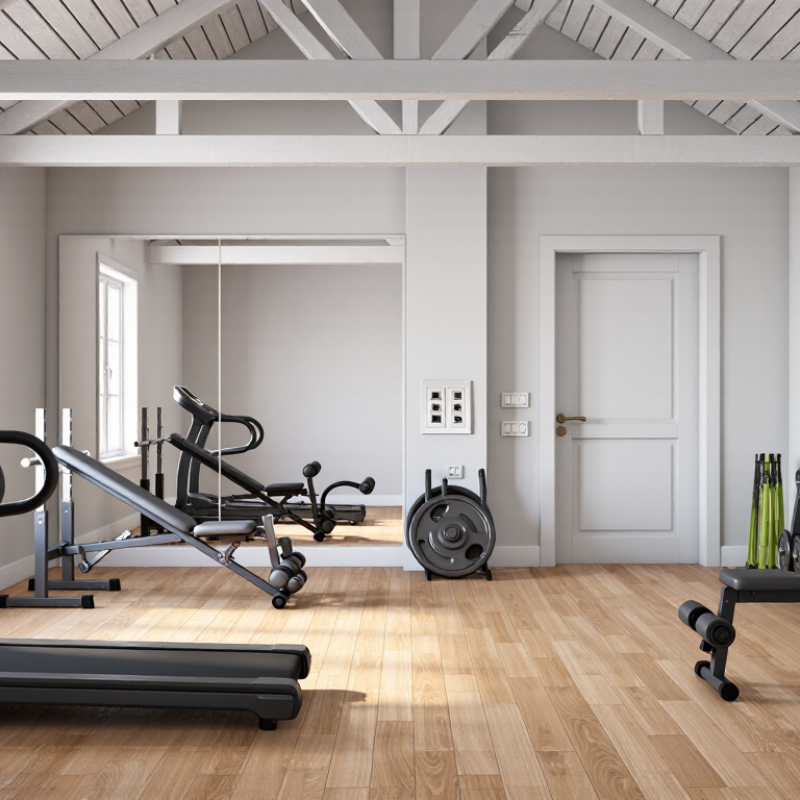
Before buying home gym equipment, define the sessions you will actually do. Do you want progressive strength training, low-impact cardio, or short mobility workouts? The ACSM Worldwide Survey of Fitness Trends for 2024 ranked strength training with free weights third among global fitness trends. That ranking signals interest, not a guarantee that dumbbells suit every household. Match equipment to movements, training level, and how often each user plans to exercise. Keep it specific.
Measure the room before browsing. Note floor area, ceiling height, door width, and clearance around moving parts. A treadmill may fit on paper but leave no safe space to step off. Check storage, noise, flooring, and whether equipment must be moved after each session. One easy-to-miss detail: measure the route into the room, too. A compact machine can still be awkward to carry upstairs.
Consider every user’s height, strength, mobility, and experience. Adjustable benches or resistance bands may serve several people, while one fixed-weight set may not. WHO’s 2024 global estimates found that 31% of adults did not meet recommended physical activity levels in 2022. Equipment alone will not solve that problem; convenient, realistic routines matter. I would leave some space for change. Goals shift, and buying for an imagined routine can be an expensive mistake. Keep a short list of intended exercises beside your measurements, then compare equipment against both.
Set a ceiling before browsing, and include delivery, import charges, assembly, and replacement parts. A compact setup can still become expensive when freight crosses borders. Keep it simple. Reserve a small amount for flooring or storage; a heavy dumbbell on bare tile can leave a costly mark. Compare total ownership cost, not just the checkout price.
Match equipment to the workouts you will actually repeat. Resistance bands and adjustable dumbbells suit strength work in tight rooms, while a bench or rack needs more space and stable flooring. Cardio machines add another trade-off: they can support regular endurance sessions, but require room, upkeep, and sometimes more complex delivery. ACSM’s 2024 Worldwide Survey of Fitness Trends ranked wearable technology first and functional fitness ninth, signaling continued interest in tracking and versatile movement. That survey measures trends, not equipment sales, so treat it as context rather than proof of what you should buy. Measure twice. Check dimensions, weight limits, and local power requirements before paying. I would compare two or three equipment types against weekly use, available space, and service access; my first budget estimate is often too optimistic.
When comparing home gym equipment, look beyond painted steel and polished product photos. Check frame material, tube thickness, weld consistency, and whether the unit rocks on a level floor. Small details matter. Loose bolts, rough edges, or uneven seams can signal weak quality control.
Read the safety information and load ratings carefully. Confirm whether stated capacity includes the user’s weight and moving force, especially for benches, racks, and cable systems. Ask for test reports or clear documentation when a seller makes broad safety claims. Requirements and accepted standards can vary by market, so verify that the documentation suits your destination. A label alone is not proof of performance.
Compare exact specifications before ordering: assembled dimensions, adjustment range, resistance type, and replacement-part availability. For motorized equipment, check voltage and plug compatibility. Measure doorways and ceiling clearance; a treadmill that fits the room may still be impossible to move inside. Product sheets can be incomplete, and sellers do not always clarify every measurement. That is worth questioning. Request written answers, then keep them with your order records. No checklist catches everything, but careful checks reduce costly surprises.
Compare build quality, safety, and product specifications before you buy.
Priority scores are practical editorial guidance on a 1–5 scale, not survey results or product test data. Check applicable local safety requirements and verify every specification with the seller.
Before choosing home gym equipment, check whether it fits the destination, not just your workout plan. Measure doorways, stair turns, and the floor space around the machine. A compact rower can still arrive in a box too large for a narrow hallway. Small details matter. For treadmills, bikes, and other powered equipment, confirm voltage, frequency, plug type, and any transformer requirements. A plug adapter alone may not make a device compatible.
Availability can vary by region. Check whether replacement cables, bearings, upholstery, and electronic parts are sold locally. Ask how long delivery and repairs typically take, and whether service technicians cover your area. A low purchase price loses appeal when a damaged console must travel across borders. This part is easy to overlook.
Import costs and paperwork deserve equal attention. Ask the seller and shipping provider which documents they supply, and check current duties, taxes, labeling rules, and product requirements with the relevant local authorities. Requirements differ between countries and can change. Keep written quotes that separate equipment, freight, insurance, and clearance charges. One imperfect part of planning is that estimates may exclude fees until late in the process, so leave room in your budget.
Global shipping details can change the real cost of home gym equipment. UNCTAD’s Review of Maritime Transport 2024 reports that over 80% of global merchandise trade by volume travels by sea. For buyers, that makes delivery terms worth checking closely. Confirm whether the quote includes customs charges, insurance, and delivery beyond the curb. Ask how damaged cartons are documented and reported. A heavy frame left in a driveway is not a small inconvenience.
Tips: Before ordering, get the packed dimensions, delivery method, and assembly requirements in writing. Check warranty length for the frame, moving parts, and labor separately. The National Retail Federation’s 2024 report estimated that 16.9% of annual retail sales would be returned. That figure covers retail broadly, not gym equipment, but it underlines why bulky-item return costs matter. Ask who pays return freight and whether parts can be shipped internationally.
Assembly needs space, tools, and time. Measure doorways and ceiling height, then compare them with the assembled equipment dimensions. Keep the manual and record the serial number. For maintenance, wipe sweat from contact points, inspect cables and bolts regularly, and follow the maker’s service intervals. A simple log helps. I still find it easy to postpone checks when equipment seems fine; that assumption can be costly.
List the exercises you plan to repeat, such as squats, rowing, or short mobility sessions. Match equipment to your goals, experience, and weekly routine. Plans can change.
Measure floor space, ceiling height, doorways, and stair turns. Leave room to step safely off moving equipment. Check the delivery route, too.
Resistance bands and adjustable dumbbells can support strength training with limited storage. A bench or rack needs more room and stable flooring. Measure twice.
Include delivery, assembly, flooring, storage, and replacement parts. Ask for separate freight and service estimates. My first estimate is often too optimistic.
Confirm voltage, frequency, plug type, and any transformer requirements for your location. A plug adapter alone may not be enough. Check local power details.
Ask whether cables, bearings, upholstery, and electronic parts are available nearby. Check repair times and service coverage. A low price may not stay low.
No. A 2024 survey ranked free-weight strength training third and wearable technology first. These rankings show interest, not what suits your room or routine.
Not by itself. WHO estimated that 31% of adults did not meet recommended activity levels in 2022. Convenient routines matter. Equipment is only one part.
Choosing Home Gym Equipment starts with a clear understanding of your training goals, available space, and who will use the equipment. Consider whether you need versatile items for general fitness or specialized equipment for particular workouts, and measure your space before making a decision. Set a realistic budget, then compare equipment types based on their features, versatility, and long-term value.
Before purchasing, assess construction quality, safety features, and product specifications to ensure the equipment suits your needs. Check that it is available and compatible with your region, and confirm any applicable import requirements. Also review shipping costs and timelines, warranty coverage, assembly needs, and routine maintenance. Taking these factors into account can help you choose practical, dependable equipment that fits your home and supports consistent training over time.